
TCE Experiences
Corporate Event Management & Client Hospitality That Pays for Itself
Maximise your event ROI with The Corporate Edit. ₹12.50 back for every ₹1 spent on face-to-face client meetings. 40% of prospects convert in person, against 16% without. 25–40% saved on what you already pay for venues, catering and production.
Client dinners. Offsites. Town halls. Launches. We don’t book the venue and leave. We host the room so your leadership never has to.
The problem
Most companies are not running bad events. They’re running expensive ones badly.
The offsite gets handed to an HR executive who has never negotiated a hotel contract. The client dinner gets booked by an EA on a Google search. The annual day is planned by a committee of six people who all have day jobs.
So the venue costs 30% more than it should. Forty people confirm and twenty-eight show up, but you’ve paid for forty plates. Your CEO spends the client dinner glancing at the kitchen door instead of listening to a ₹5 crore account tell them their three-year plan. Your new joiners sit through an induction nobody designed. Your managers fly to a leadership offsite where half the day is lost to a projector that won’t connect.
Nobody logs any of this as a loss. But the client doesn’t renew, the new hire disengages by month three, and next year finance cuts the events budget — because nobody could ever prove it worked.
Share of companies. Source: Oxford Economics, The Return on Investment of U.S. Business Travel; GBTA
The commercial case
What a well-run room is worth
Oxford Economics · Harvard Business Review · Gallup State of the Global Workplace 2026 · internal benchmarks (industry estimates)
Where the money actually goes
Four leaks in every event budget you’ve ever signed off
1. The retail premium
25–35%overpaid
Internal teams book at retail rates. No volume, no leverage, no negotiated contracts. You pay the rack rate on venues, production and catering, plus markups nobody itemises.
2. Guest-count slippage
15–20%budget variance
Without real RSVP tracking, you guarantee for 200 and 160 arrive. You’ve paid for 40 meals, 40 gifts and unused room blocks. This is the most common and most invisible leak.
3. Opportunity cost
40–80hours per event
Your marketing lead, HR manager or EA spends two full working weeks on logistics. At senior salary levels that is real money diverted from work that actually generates revenue.
4. The distracted host
100%of the room
Your leadership is physically at the dinner but mentally in the kitchen. The one thing that event was for — the relationship — gets the least attention of the evening.
Leak ranges are industry estimates from internal benchmarks, not published research.

We don’t book venues. We host.
An event company books the venue. We run the room.
Most vendors hand you a venue, a menu and an invoice. We take institutional ownership of the whole thing — the negotiation, the guest list, the dietary preferences, the protocol, the run sheet, the on-ground hosting team, and the reconciliation afterwards. You approve a budget. We deliver an evening. Nobody from your company touches a vendor.
A typical event vendor
- Books a venue and sends a quote
- Your HR team chases the RSVPs
- Standard menu for everyone
- Disappears once the event starts
- You find out the overspend later
- One generic experience
TCE Experiences
- Negotiates against institutional volume, then shows you the saving
- We run RSVP tracking and reconcile guarantees to actual headcount
- Individual dietary and meal preferences captured and mapped to seats
- On-ground hosting team runs the room from arrival to last guest
- Budget guardrails during, full reconciliation after
- Two experiences in one budget — see below
The two-audience problem, solved
Nobody has to be disappointed for the budget to hold.
Your employees want a night they’ll talk about for a year. Your CFO wants a line item that didn’t move. Your leadership wants a room where real conversations happen. These are usually treated as competing goals, and somebody always loses.
They are not competing. They are a planning problem. We design the evening in layers — the celebration your teams actually want, the quiet corners where your leaders can talk, and a cost structure that comes in at or under the number you approved.
The personal touch, operationalised
The details your guests notice, tracked for every single person in the room
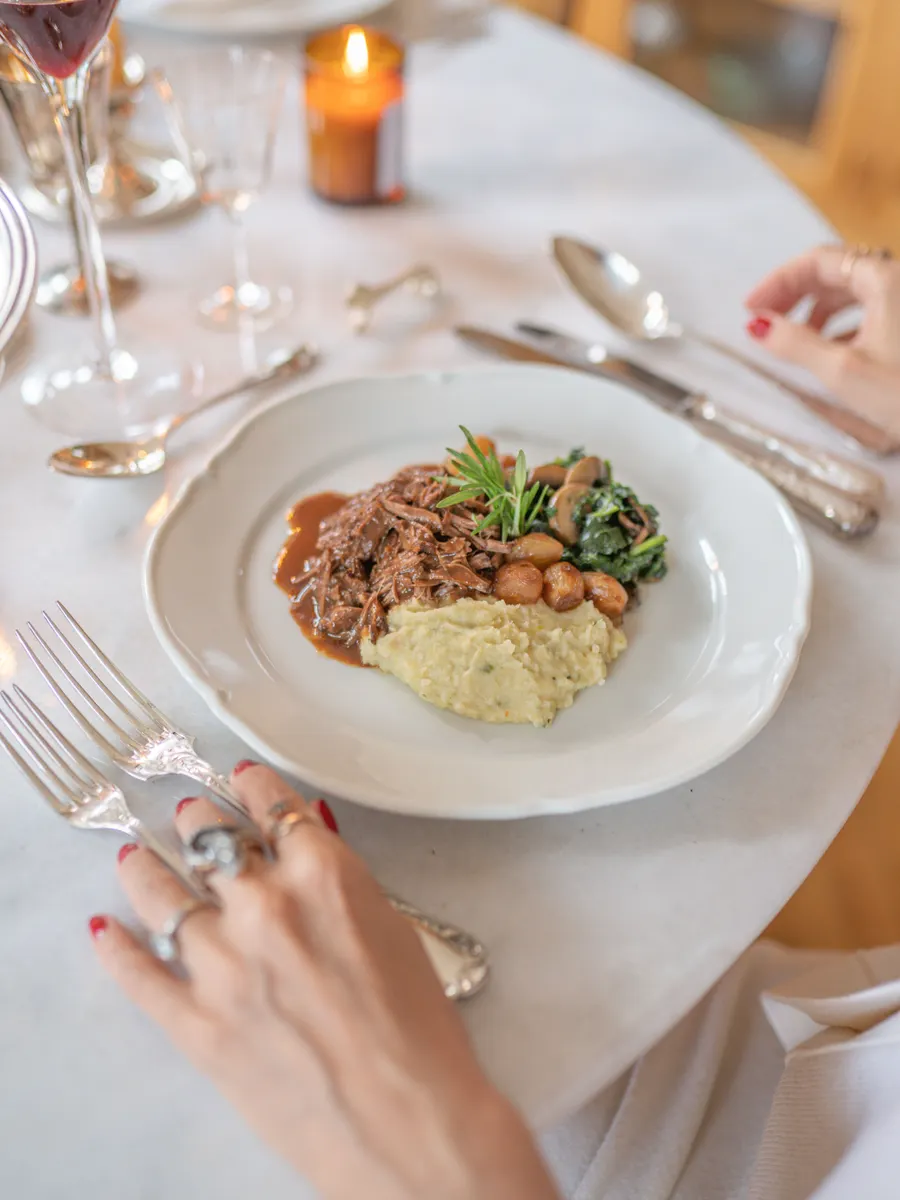
- 01Dietary preferences vegetarian, Jain, halal, vegan, allergies — mapped to the seat, not the table
- 02Meal and beverage preference captured at RSVP, confirmed with the kitchen
- 03Seating strategy who sits next to whom, and why
- 04Name pronunciation briefs for the hosting team
- 05Accessibility and mobility needs handled discreetly
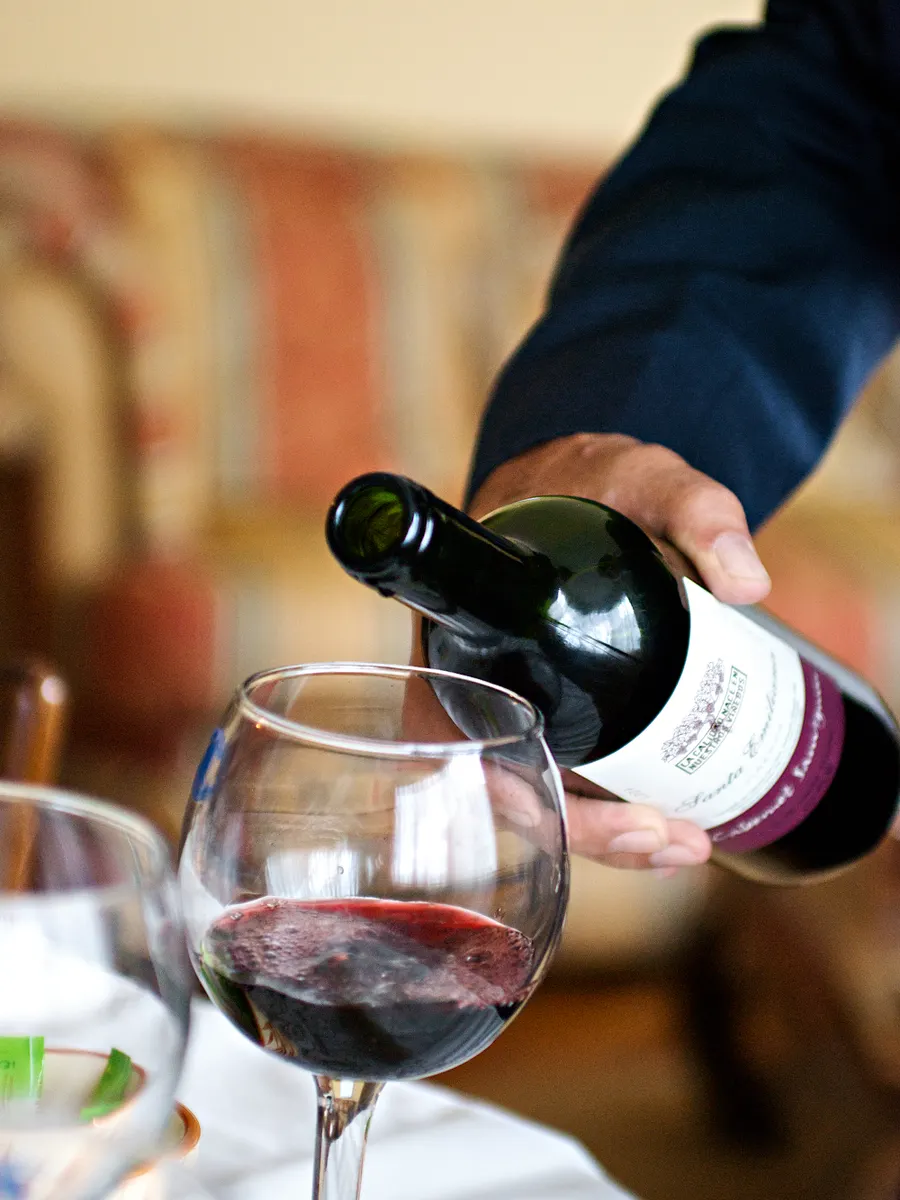
- 06Alcohol and non-alcohol parity so nobody feels like an afterthought
- 07Gifting matched to the guest not bulk-bought by headcount
- 08Travel, pickup and accommodation desk for outstation guests
- 09Cultural and international protocol for visiting delegations
- 10Family inclusion for annual days and milestone events
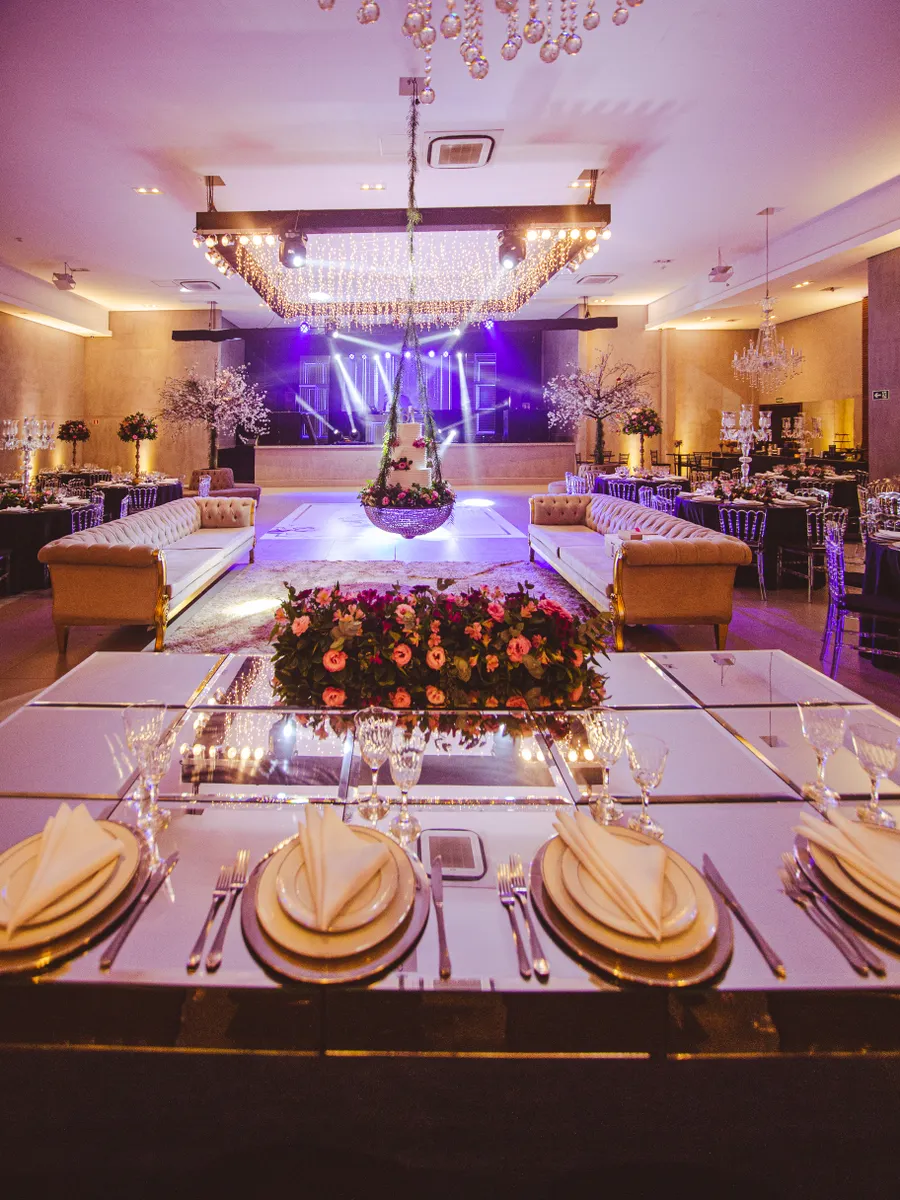
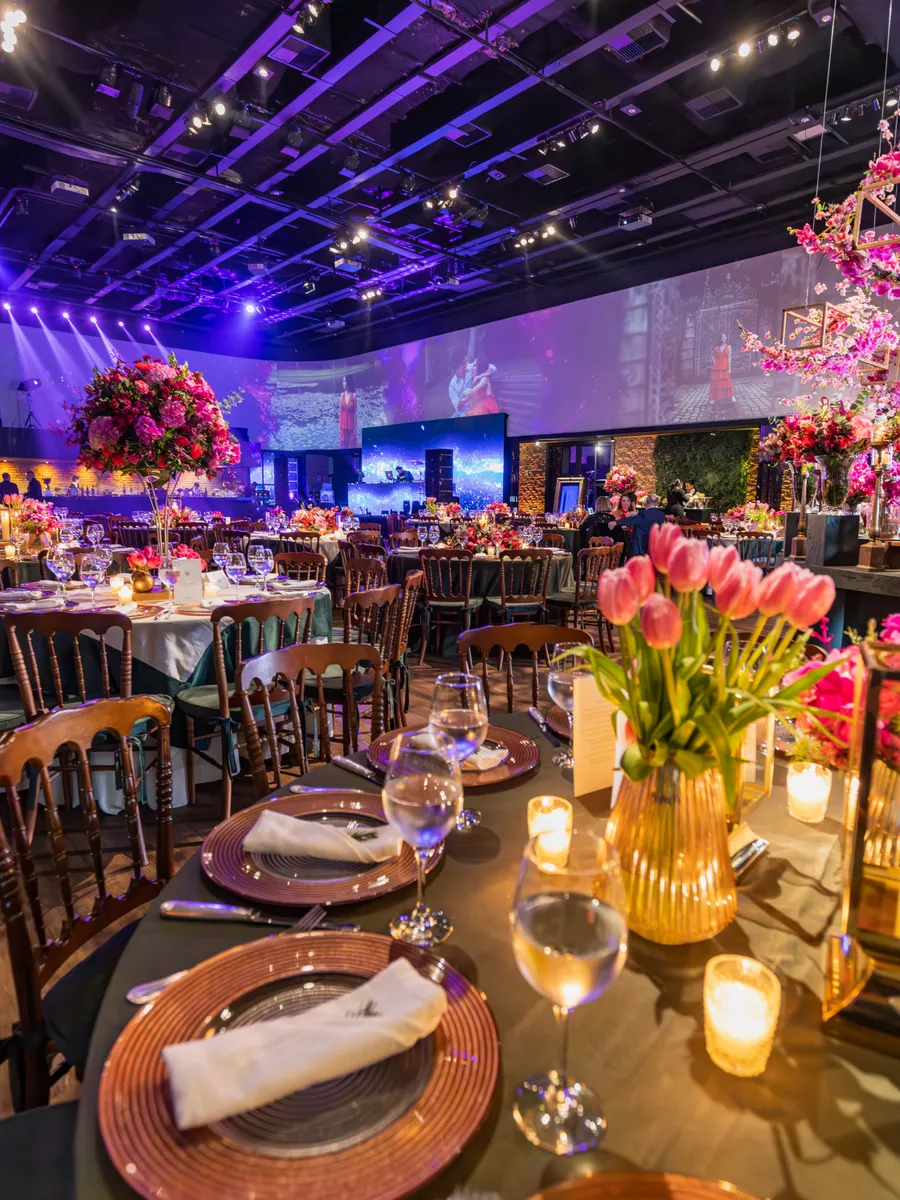
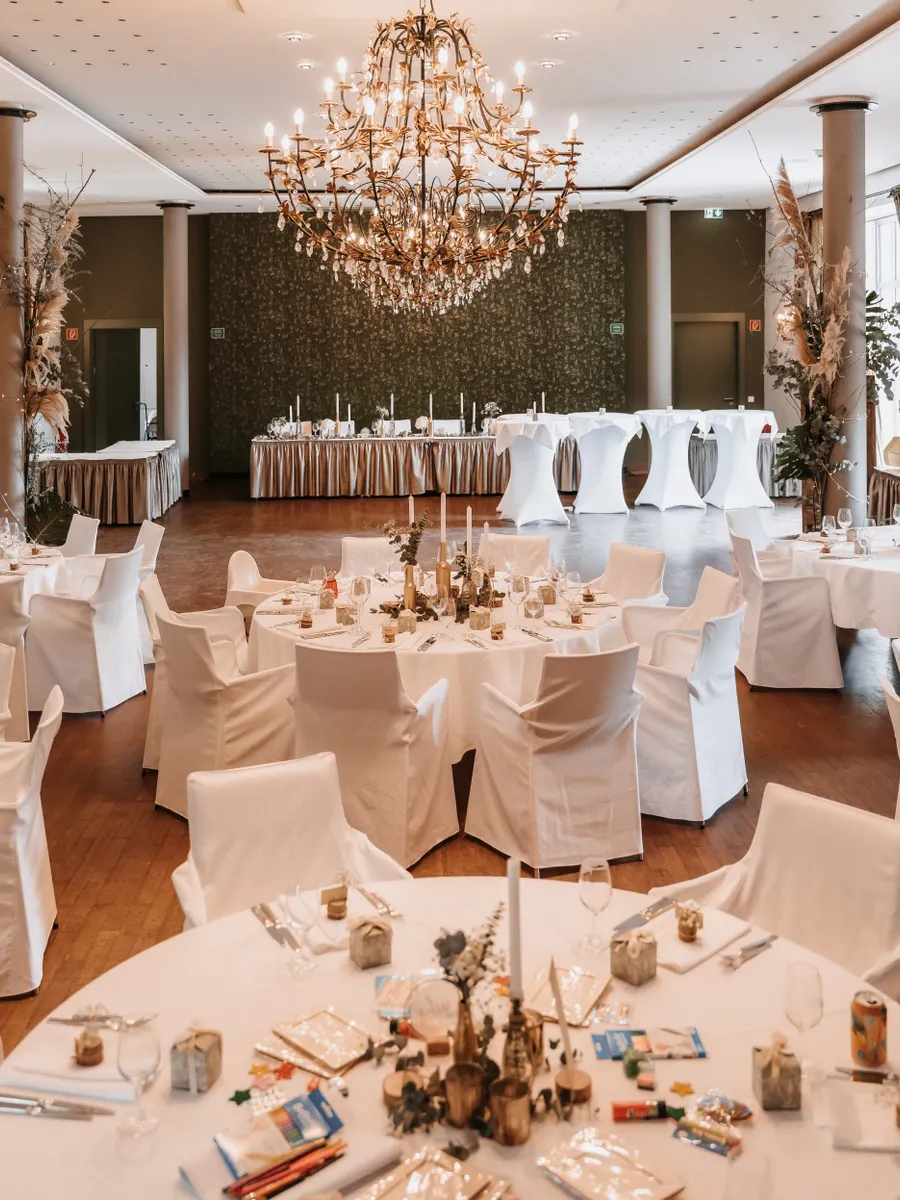
What we host
Every corporate event format, managed end to end
From a six-person investor dinner to a two-thousand-person annual day. Same team, same controls, same reporting.
Client, Investor & Revenue Hospitality
For sales, business development, founders and investor relations
- Client Dinners & High-Stakes Business Lunches
- VIP & Delegation Hospitality
- Investor & Stakeholder Events
- International Guest Management
- Event Protocol & Guest Experience
- Corporate Gifting & Guest Experiences
- CXO Roundtables & Closed-Door Briefings
- Partner & Channel Summits
- Client Appreciation & Loyalty Evenings
- Golf Days & Sporting Hospitality
- Hospitality Suites at Trade Shows
Internal Culture, Alignment & People Events
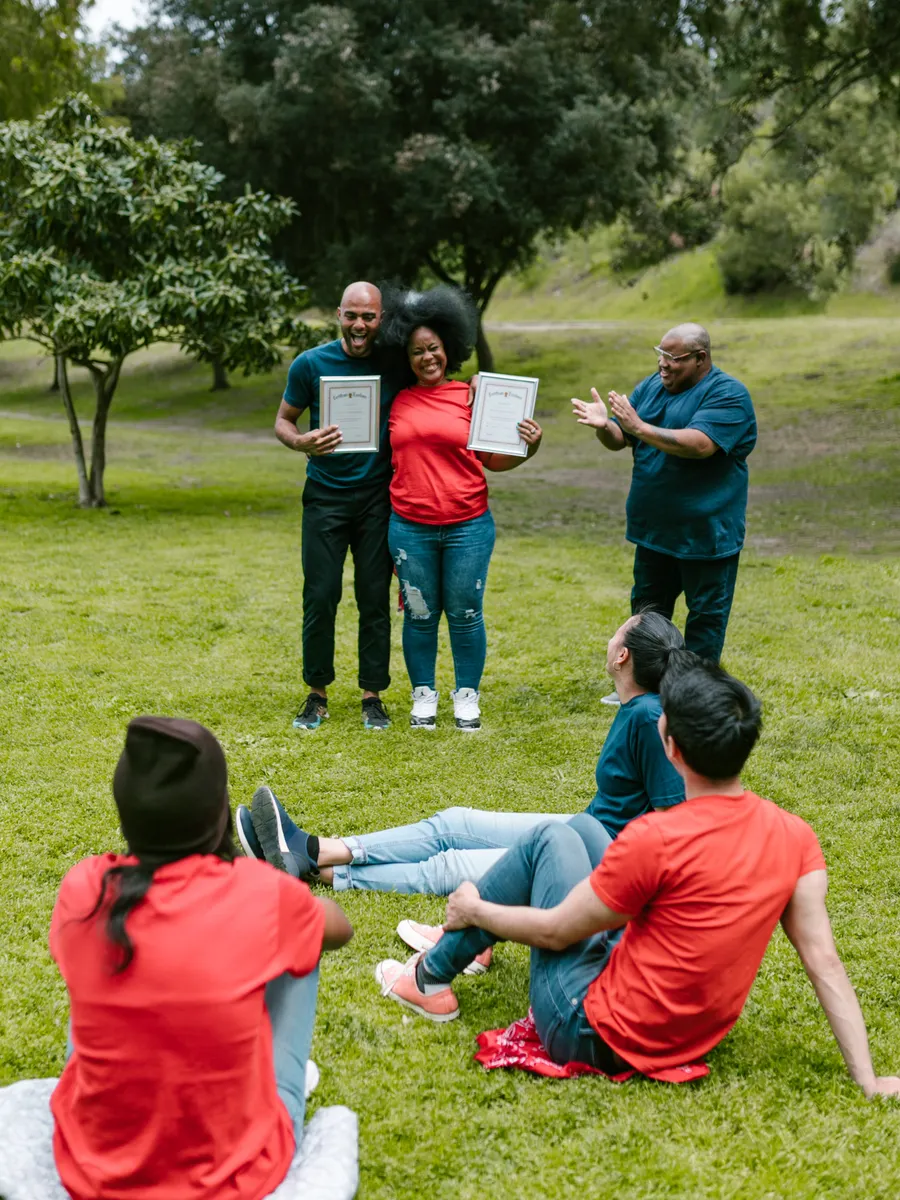
For HR, L&D, internal communications and business unit heads
- Team Offsites, Dinners & Strategic Retreats
- All-Hands Meetings (AHMs) & Board Sessions
- Award Ceremonies, R&R Nights & Corporate Galas
- New Joiner Orientation & Induction Programmes
- Leadership & Manager Training Offsites — full venue and logistics ownership
- Sales Kick-Offs (SKO) & Annual Business Planning Meets
- Annual Day & Family Day
- Festival Celebrations — Diwali, Holi, year-end
- Milestone & Anniversary Celebrations
- Sports Day & Wellness Retreats
- Return-to-Office & Team Reconnect Events
- Farewells, Retirements & Send-Offs
Brand, Market & Public Events
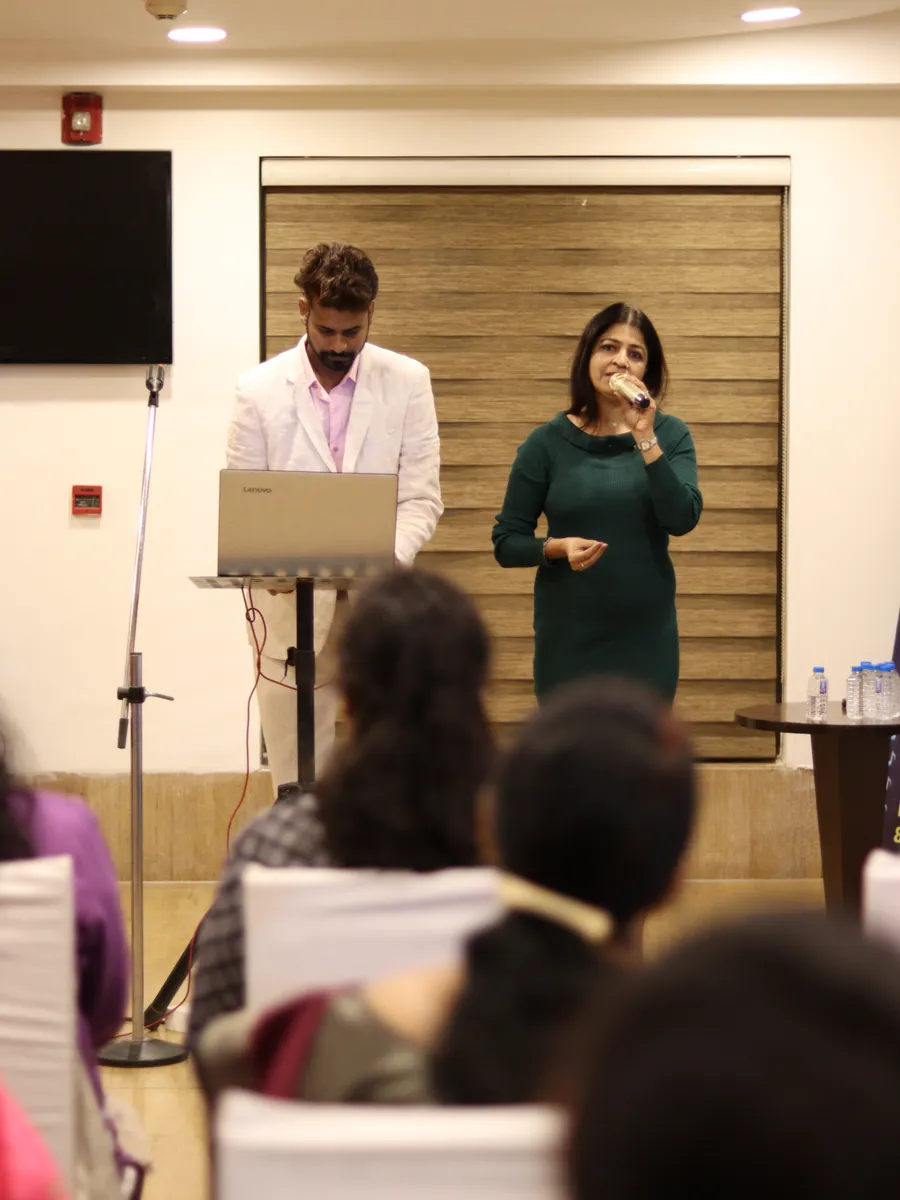
For marketing, communications, product and CSR
- Product Launches & Brand Events
- Conference & Seminar Hospitality
- Press, Media & Analyst Events
- Multi-City Roadshows
- Exhibition & Booth Hospitality
- CSR, Community & Foundation Events
- Groundbreakings, Inaugurations & Facility Openings
The Operating Layer
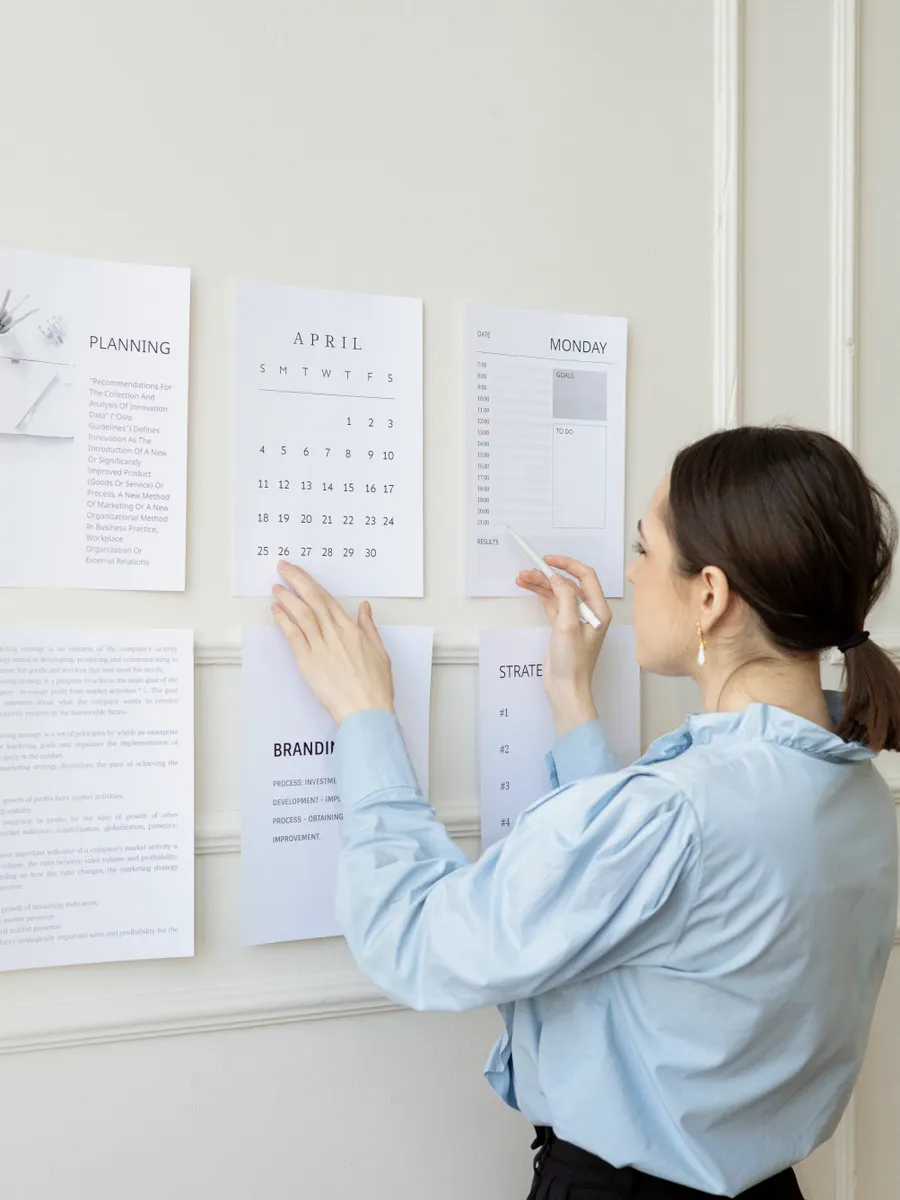
Runs underneath every format above — this is what you’re actually buying
- RSVP, Guest List & Protocol Management
- Complete Event Hospitality, Curation & On-Site Hosting
- Vendor Sourcing, Negotiation & Contracting
- Dietary, Meal & Beverage Preference Management
- Travel, Transfer & Accommodation Desk
- Budget Guardrails & Live Spend Tracking
- Run-Sheet, Stage & Production Management
- Post-Event Reconciliation & ROI Report
- Crisis, Contingency & Weather Planning
Why events matter more than they used to
Your people have never been more connected, or less connected
I
Engagement is at a record low, and offices are filling back up
Global employee engagement fell to 20% in 2025, the lowest since 2020. At the same time, 54% of the Fortune 100 now require five days a week in the office, up from 5% two years earlier. Proximity is not connection. A shared building does not rebuild a team — a well-designed event does.
Gallup, State of the Global Workplace 2026
II
In-person is still where deals are actually won
Executives estimate 28% of their business would be lost entirely without face-to-face contact. Customer meetings return $15–$20 for every dollar invested — the highest return of any category of business travel spend.
Oxford Economics, The Return on Investment of U.S. Business Travel
III
Good offsites move real numbers
Harvard Business Review research found a 26% increase in productivity following offsite retreats. Same spend, different outcome. The difference is execution.
Harvard Business Review; Emburse, State of Corporate Offsites
How we measure success
Events you can defend in a budget review
Most companies cannot prove their events worked, so the budget gets cut. Before every event we agree what we’re measuring. Afterwards, you get the report.
| Event type | What we track | What it proves |
|---|---|---|
| Client dinners & VIP hospitality | Meetings held, pipeline touched, deals advanced within 90 days | Hospitality spend tied to pipeline movement |
| Offsites & retreats | Pre/post engagement pulse, attendance, 6-month retention of attendees | Culture spend tied to retention |
| Sales kick-offs | Quota attainment and ramp time in the following quarter | Event spend tied to sales performance |
| Induction & orientation | 90-day new-hire retention and time-to-productivity | Onboarding spend tied to early attrition |
| Product launches & brand events | Attendance vs invite, media pickup, leads captured | Marketing spend tied to reach |
| Every event, without exception | Budget approved vs budget spent vs market rate benchmark | Hard, auditable cost saving |
Budget calculator
What is your current event process costing you?
Move the sliders. See the estimate.
Estimated procurement overpay
Estimated wastage and slippage
Opportunity cost of internal hours
Total recoverable
Deliberately conservative: uses the low end of every range and a blended internal cost of ₹1,500 an hour. Industry estimates, not a quote.
Proof
Rooms we’ve run
Case study 1 · to be supplied
- Event type & scale
- e.g. “400-guest annual day, Bengaluru”
- The brief
- One line
- What we ran
- One line
[X]%
The result — saving delivered, attendance, or satisfaction score
Case study 2 · to be supplied
- Event type & scale
- e.g. “400-guest annual day, Bengaluru”
- The brief
- One line
- What we ran
- One line
[X]%
The result — saving delivered, attendance, or satisfaction score
Case study 3 · to be supplied
- Event type & scale
- e.g. “400-guest annual day, Bengaluru”
- The brief
- One line
- What we ran
- One line
[X]%
The result — saving delivered, attendance, or satisfaction score
Photography from events you have run — to be supplied
This section needs real photographs of rooms TCE has hosted. Stock images of conference halls damage credibility here, so none are used. Add a client logo wall alongside.
Who we work with
Event scale
From 6-person investor dinners to 2,000-guest annual days. Single events or full annual calendars.
Industries
IT & ITES · GCCs · Manufacturing · BFSI · Consulting · Pharma · Real Estate · Retail
Who usually contacts us
CHRO · Head of Admin · Marketing Head · EA to CEO · Business Unit Head
FAQ
Questions admin, HR and marketing heads ask us
Do you work within our existing budget, or do you quote your own?
Answer to be supplied by TCE Guidance: Answer early and plainly — procurement filters vendors on commercial model first.
How far in advance do we need to book?
Answer to be supplied by TCE
What is the smallest event you’ll take on?
Answer to be supplied by TCE
How much does a corporate offsite cost per person?
Answer to be supplied by TCE
Do you handle travel and accommodation as well?
Answer to be supplied by TCE
Can you manage events across multiple cities at once?
Answer to be supplied by TCE
How do you charge — flat fee, percentage, or retainer?
Answer to be supplied by TCE Guidance: State your commercial model plainly.
Do you handle international guests and visa protocol?
Answer to be supplied by TCE
What happens if something goes wrong on the day?
Answer to be supplied by TCE
Can you take over an event that’s already half-planned?
Answer to be supplied by TCE
Our credentials
The numbers behind TCE Experiences
Credentials placeholders — replace with your real, verified numbers before launch.
Stop managing the event. Start owning the room.
Send us your next event and its budget. We’ll come back with what it should actually cost and what we’d do differently — before you commit to anything.
Works within your approved budget · Full cost reconciliation after every event · Response within 24 hours
Sources for the figures on this page
| Claim | Source |
|---|---|
| $12.50 revenue and $3.80 profit per $1; 40% vs 16% conversion; 28% of business lost without in-person meetings; customer meetings return $15–$19.99 | Oxford Economics USA, The Return on Investment of U.S. Business Travel (commissioned by U.S. Travel Association) |
| Global engagement at 20%, lowest since 2020 | Gallup, State of the Global Workplace 2026 |
| 54% of Fortune 100 require five days in office | Compiled RTO tracking data, 2026 |
| 26% productivity increase after offsite retreats | Harvard Business Review |
| 90% vs 71% strengthened connection after offsites | Emburse, State of Corporate Offsites |
| Only 13% of companies measure event and trip ROI | GBTA / Oxford Economics |
| 25–35% retail overpay · 15–20% budget variance · 40–80 hours opportunity cost | Internal benchmarks — industry estimates, not published research |